
Bazaruto Dugong and Seagrass Conservation Project
The Bazaruto Dugong and Seagrass Conservation Project supported the conservation of dugongs and associated seagrass ecosystems within the Bazaruto Seascape of Mozambique, recognized as the last remaining stronghold for dugongs in the Western Indian Ocean.
Context
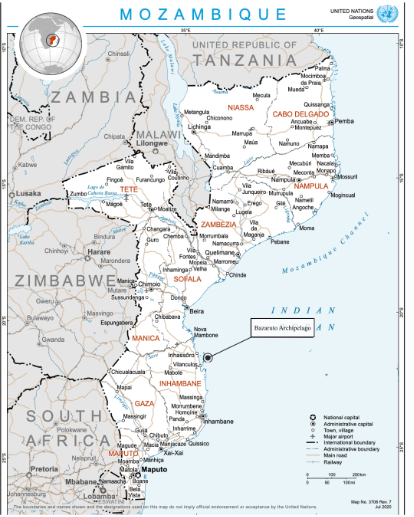
The Bazaruto Seascape contains seagrass ecosystems of high ecological significance that support the largest remaining dugong population in East Africa. Although portions of this population occur within existing Marine Protected Areas (MPAs), important dugong and seagrass habitats extend beyond protected-area boundaries into the coastal districts of Inhassoro and Govuro, where communities depend heavily on marine resources for food security and livelihoods. Dugongs and seagrass ecosystems in the Bazaruto region face a range of ongoing pressures, including incidental capture in fishing gear, unsustainable fishing practices, and increasing environmental pressures affecting coastal ecosystems.
Objective
The project aimed to empower coastal communities to take the leading role in protecting dugongs and seagrass ecosystems within the Bazaruto Seascape through the application of innovative conservation tools and the development of sustainable livelihood opportunities.
Building on approaches developed and implemented in Southeast Asia under the Seagrass Ecosystem Services Project, the initiative adapted relevant methodologies to the ecological and socio-economic context of the Bazaruto Seascape.
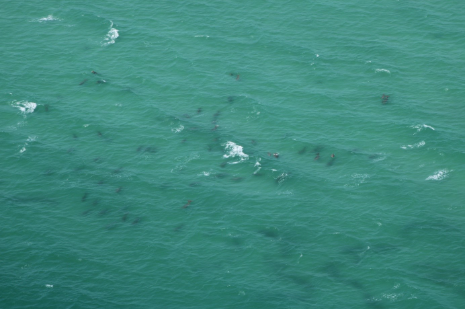
The project sought to strengthen community stewardship of marine ecosystems while contributing to the improved long-term conservation of dugongs and associated seagrass habitats in Mozambique.
Funding and Duration
The project was implemented from 2021 to 2024 with financial support from Fondation Segré.
Partners and Collaboration
The project was implemented through a partnership between Dugongos, the CMS Dugong MOU Secretariat and African Parks. The partners provided project management and technical support and facilitated implementation in collaboration with relevant government authorities and coastal communities. Technical partners included Eduardo Mondlane University, Seagrass-Watch, Project Seagrass and the Murdoch University Aquatic Megafauna Research Unit. These partners contributed regional and international scientific expertise, technical guidance and capacity building, including support for seagrass mapping and monitoring at project sites.
Approaches and Areas of Intervention
Introducing Innovative and Participatory Research Methods
The project promoted participatory and community-based approaches to dugong and seagrass research by directly involving coastal communities in data collection and monitoring. Activities included seagrass mapping, habitat monitoring, participatory ecological assessments and the application of innovative conservation tools to improve understanding of dugong distribution, habitat condition, and ecosystem change.
Supporting an Enabling Policy Environment
The project supported engagement among coastal communities, conservation practitioners, and relevant government authorities to strengthen policy, planning and management frameworks for dugong and seagrass conservation. Scientific information and locally generated knowledge were used to support conservation planning and inform the sustainable management of marine resources within the Bazaruto Seascape.
Diversifying Livelihoods through Community-Led Enterprises
Recognizing the close relationship between conservation outcomes and local livelihoods, the project supported the development of alternative and supplementary livelihood opportunities for coastal communities within the Bazaruto Seascape. These activities aimed to strengthen local economic resilience while reducing pressures on dugongs, seagrass ecosystems and other marine resources.
Raising Awareness through Storytelling and Knowledge Sharing
The project used storytelling, community outreach and the dissemination of conservation knowledge and project results to increase awareness of the ecological and socio-economic importance of dugongs and seagrass ecosystems. These activities supported knowledge exchange and promoted greater community participation in marine conservation.
Contribution to the CMS Dugong MOU
The Bazaruto Dugong and Seagrass Conservation Project contributed directly to the implementation of the Dugong MOU Conservation and Management Plan, particularly in the areas of research and monitoring, habitat conservation, community participation, sustainable livelihoods, and awareness-raising. Further information on the project and related activities is available through the following resources of our partners:
By adapting approaches developed under the Seagrass Ecosystem Services Project to the Western Indian Ocean context, the initiative also supported the transfer of knowledge, tools and community-led conservation approaches across the Dugong MOU range.
Further Information
Further information on the project and related activities is available through the following resources: