
From New York to Antalya: Advancing the Marine Conservation Breakthroughs
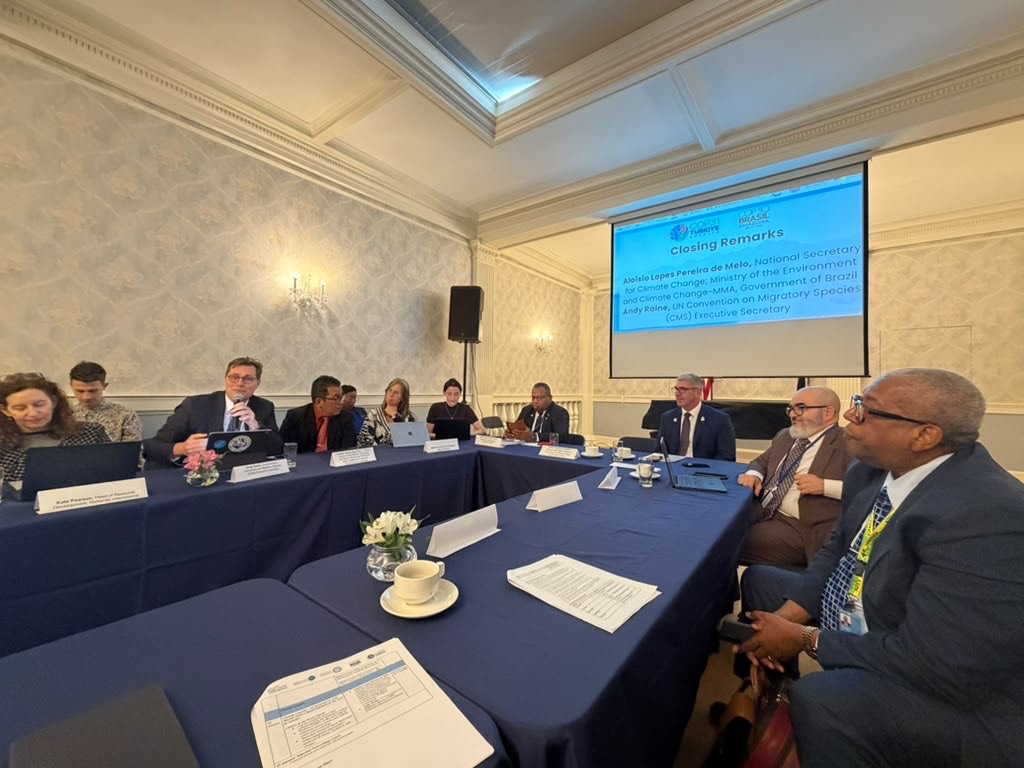
New York, 24 September 2026 – Turning global marine conservation targets into country-owned, financed and measurable action was at the centre of discussions on the Marine Conservation Breakthroughs at New York Climate Week. Ahead of COP31 in Antalya, attention is shifting towards integrating marine ecosystem targets into national climate and biodiversity frameworks, developing concrete implementation programmes and connecting those programmes with the technical capacity and finance needed for delivery.
The high-level roundtable, “From New York to Antalya: Scaling Marine Nature-Based Solutions through the Marine Conservation Breakthroughs,” brought together the five 2030 Breakthroughs for coral reefs, mangroves, seagrasses, saltmarshes and kelp forests. The event was hosted during New York Climate Week, by the UN Climate Change High-Level Champions Team, the Government of Brazil, the COP31 Presidency of Türkiye and Australia, the Global Mangrove Alliance, the International Coral Reef Initiative, the Global Fund for Coral Reefs, the Convention on the Conservation of Migratory Species of Wild Animals (CMS), the International Union for Conservation of Nature (IUCN), Wetlands International, the Kelp Forest Alliance, Blue Marine Foundation, WWF, Conservation International, the UK Centre for Ecology & Hydrology, The Pew Charitable Trusts, The Nature Conservancy, Ambition Loop and the Ocean & Climate Platform, together with the Mangrove, Coral, Seagrass, Saltmarsh and Kelp Breakthroughs as the five 2030 Breakthrough Hosts. The meeting examined how these targets can be translated into national policy, investment and action, while strengthening coordination across interconnected marine and coastal ecosystems.
While marine and coastal ecosystems are receiving greater attention across climate and biodiversity agendas, further efforts are needed to translate this recognition into national policy and implementation. Discussions highlighted the importance of strengthening the integration of marine ecosystem targets into NDCs and broader climate, biodiversity, adaptation and development strategies, while ensuring that national commitments are supported by clear implementation pathways. Particular attention was given to the role of planning and project preparation in developing investable programmes, alongside sustained finance, institutional capacity and partnerships to support delivery at scale.
Connecting Action Across Marine Ecosystems
Discussions also highlighted the importance of considering marine and coastal ecosystems as part of connected seascapes. Coral reefs, mangroves, seagrasses, saltmarshes and kelp forests perform complementary ecological functions and together contribute to biodiversity conservation, climate resilience, coastal protection, food security and livelihoods. Greater coordination across the five Marine Conservation Breakthroughs can support more integrated approaches to the protection, restoration and sustainable management of these ecosystems, including at the seascape level.
This integrated approach is particularly relevant to CMS, as migratory species rely on networks of habitats across different ecosystems and national jurisdictions throughout their lifecycles. Bringing the five Breakthroughs together provides an opportunity to strengthen the link between ecosystem-based action and the conservation of migratory species, while maintaining the ecological connectivity necessary for their survival.
Moving the Seagrass Breakthrough Towards Implementation
Within this broader framework, seagrass ecosystems illustrate the close relationship between marine biodiversity, climate action and coastal communities. Seagrass meadows provide important habitat and feeding grounds for migratory marine species, contribute to carbon storage and coastal resilience and support fisheries, food security and livelihoods.
Through the 2030 Seagrass Breakthrough, CMS and the UN Climate Change High-Level Champions are working to translate the growing recognition of seagrass ecosystems into measurable national targets and implementation. Discussions in New York highlighted the importance of embedding these targets in relevant national policies and planning processes and supporting them through scientific evidence, monitoring, partnerships and sustainable finance. Cooperation among governments, scientific institutions, communities, multilateral organizations and financing partners will be essential to achieving implementation at scale.
This has direct relevance for dugong conservation. As dugongs depend on seagrass meadows for food, maintaining healthy and resilient seagrass ecosystems is an integral part of conserving dugong populations across their range. The Seagrass Breakthrough therefore provides a wider framework through which action for seagrass conservation can also contribute to the objectives of the Dugong MOU.
From New York to Antalya
Closing the roundtable, CMS Executive Secretary Andy Raine highlighted the need to carry the discussion forward through concrete implementation priorities on the road to COP31.
These include strengthening the integration of the Marine Conservation Breakthroughs into NDC implementation and national climate and biodiversity frameworks; identifying countries and partners ready to translate the Breakthrough targets into national programmes; connecting those programmes with technical assistance, project preparation and financing mechanisms; and strengthening coordination across the five Breakthroughs where this can support integrated implementation at the seascape level.
For the Seagrass Breakthrough specifically, the pathway to COP31 provides an opportunity to advance country-owned implementation, including further national commitments, partnerships and financing for seagrass conservation. Beyond Antalya, the focus will remain on delivery towards 2030, with global ecosystem targets translated into measurable conservation outcomes through national implementation, monitoring, partnerships and sustained finance.