
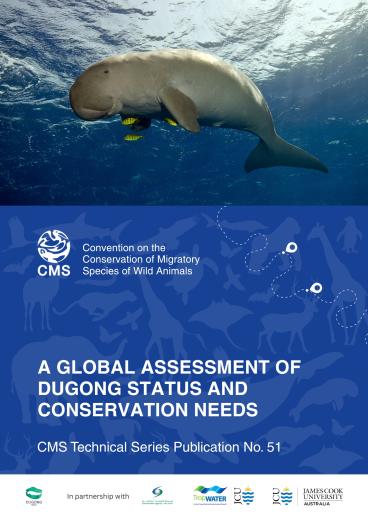
A Global Assessment of Dugong Status and Conservation Needs
The Convention on the Conservation of Migratory Species of Wild Animals (CMS) contracted James Cook University to prepare a new edition of the 2002 publication: ‘Dugong: status report and action pl

UN Wildlife Treaty Releases New Reports on Importance of Community-Led Conservation
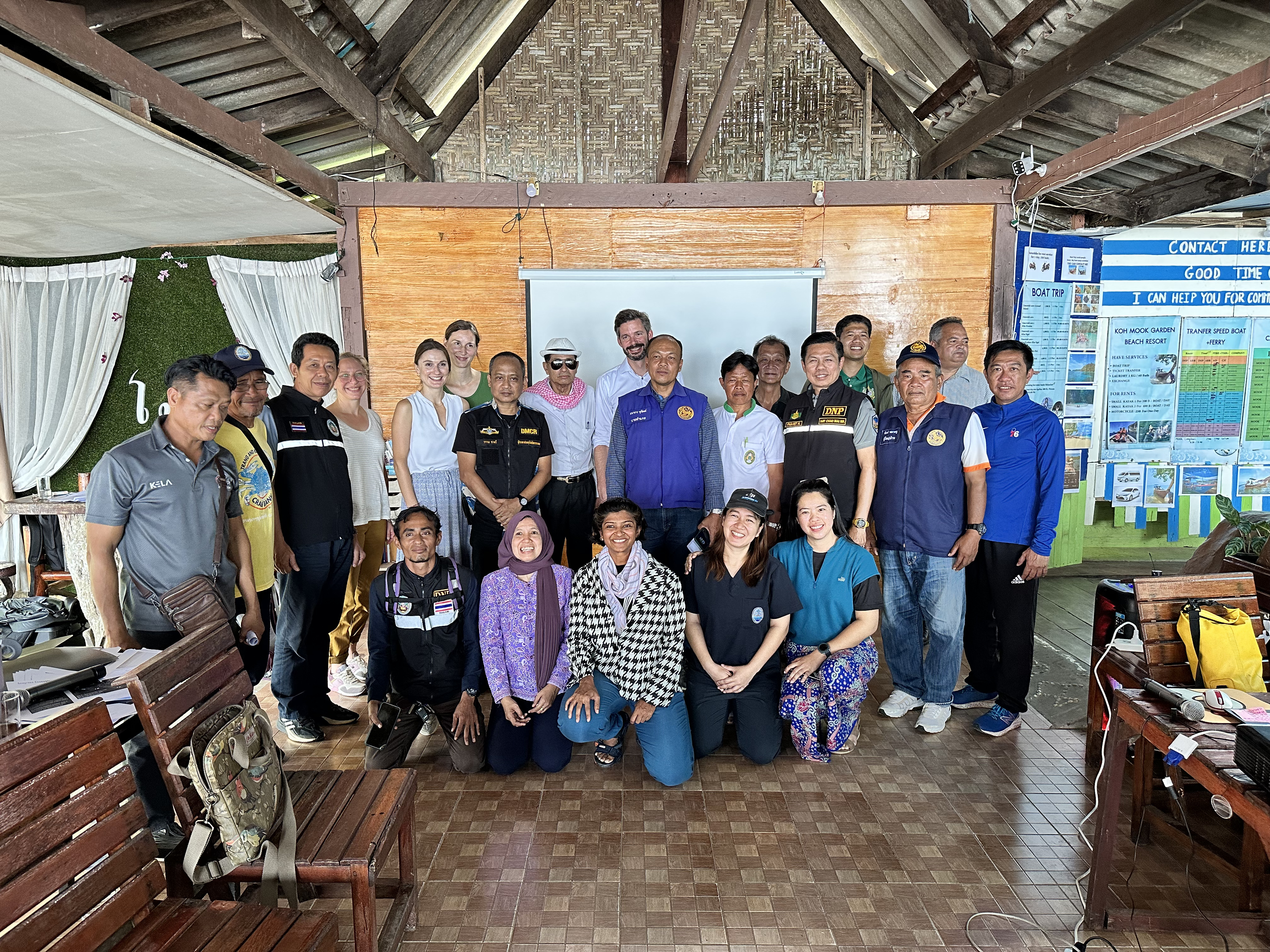
International Climate Initiative (IKI) delegation applauds seagrass conservation efforts in Thailand
Trang, Thailand - October 2023
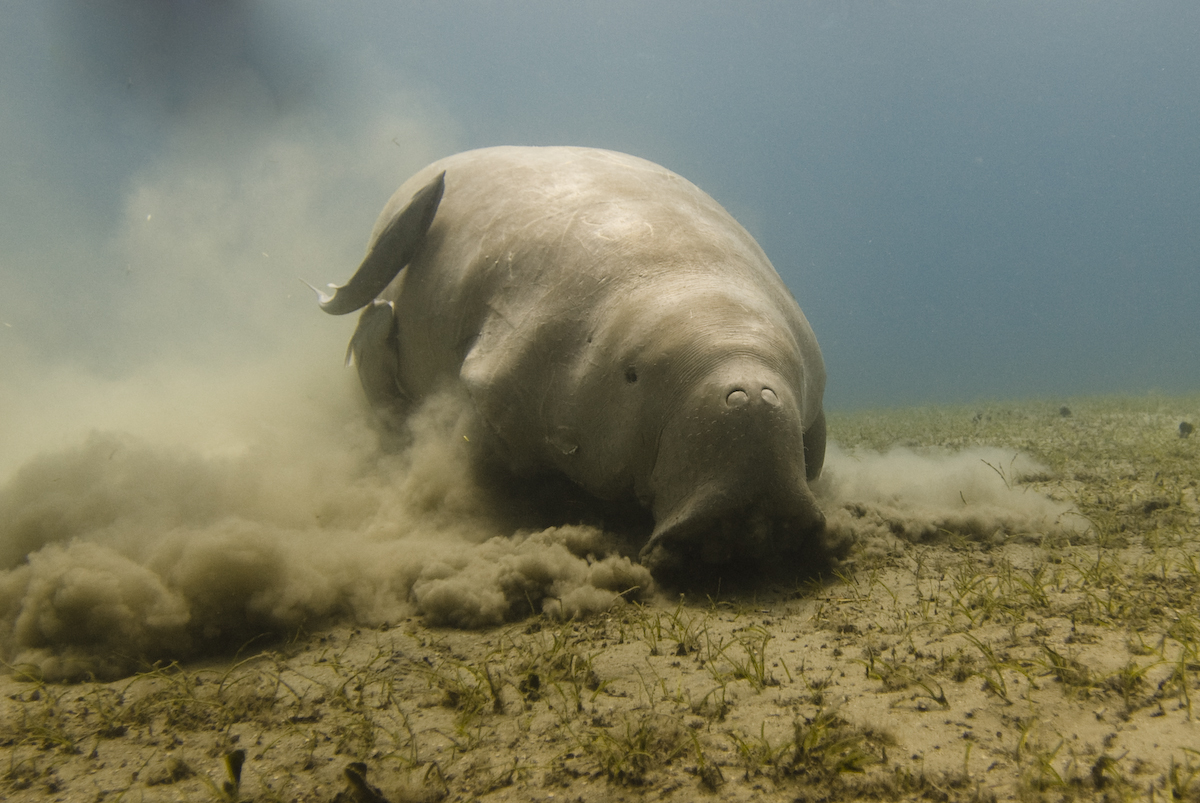
First Dugong Conservation Reserve Established in India
The government of India has officially announced the establishment of a Dugong Conservation Reserve.
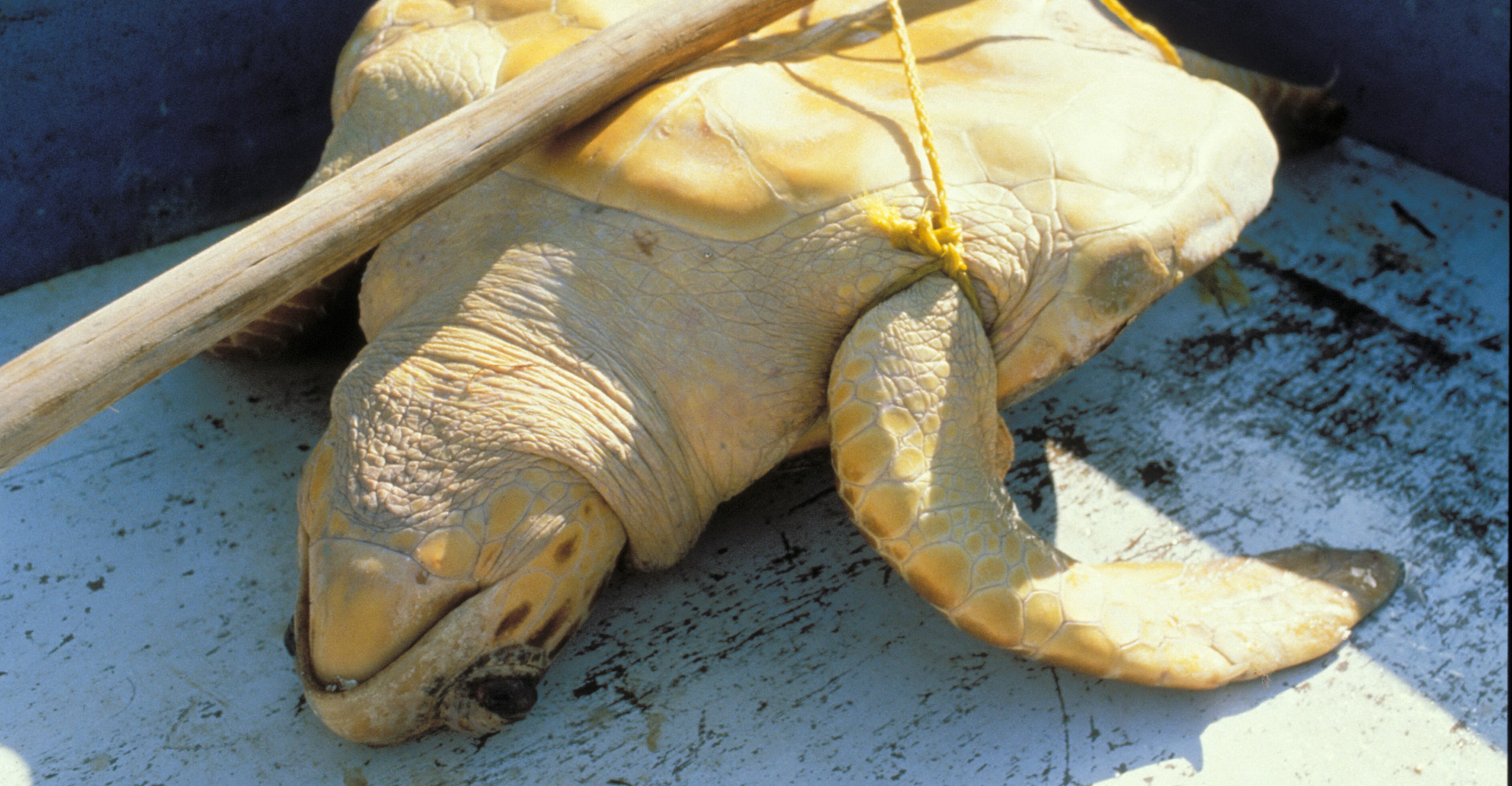
New Review Finds the Consumption of Wild Meat of Aquatic Megafauna Protected Under CMS to be Widespread Throughout the Tropics

The Kingdom of Bahrain Accedes to CMS
2018/010: New Signatory to the CMS Dugong MOU
The Secretariat of the Convention on the Conservation of Migratory Species of Wild Animals (CMS) in its capacity as Depositary of the Memorandum of Understanding on the Conservation and Management
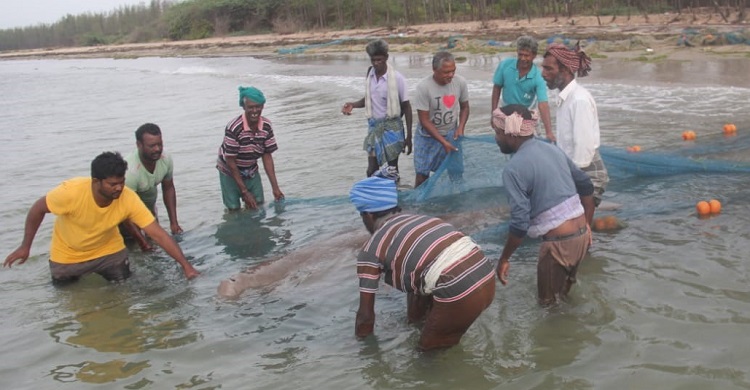
Dugong rescued and released near Thanjavur, India
Executive Summary:
The Global Dugong Genetics Project aims to examine the phylogeography of the dugong based on historical samples from throughout the dugong’s range. It will update conservation and management actions through mapping the distribution of discrete dugong populations; identifying historical and potential migratory routes; and highlighting small populations as a priority for conservation. The Project was a collaboration between James Cook University and Nelson Mandela Metropolitan University.
Background:
From 2011–2013 genetic sampling took place and from 2013–2015 analysis was undertaken. To date, a total of 217 samples of dugongs held in European museum collections have been analysed to reveal the population genetic structure of the dugong throughout its range. The results will be disseminated in the form of a scientific paper that is currently pending publication.
The Secretariat would like to encourage the collection and stockpiling of genetic samples so that when financial and technical resources become available, a comprehensive analysis can be conducted. Stockpiling genetic samples is important to mitigate the issues associated with collecting contemporary samples due to the scarcity, low numbers, and relative inaccessibility of dugongs. Protocols for collecting genetic samples are available in the genetics advice from James Cook University. The CMS Dugong MOU Secretariat can assist in the coordination of stockpiling genetic samples upon request.
The Global Dugong Genetics Project aims to examine the phylogeography of the dugong based on historical samples from throughout the dugong’s range. It will update conservation and management actions through mapping the distribution of discrete dugong populations; identifying historical and potential migratory routes; and highlighting small populations as a priority for conservation. The Project was a collaboration between James Cook University and Nelson Mandela Metropolitan University.
Executive Summary:
The Dugong and Seagrass Research Toolkit is an initiative by TOTAL, Total Abu Al Bukhoosh, Environment Agency – Abu Dhabi and CMS Dugong MOU to provide an easily accessible online resource that incorporates decision-making for the selection of the most appropriate methodologies for studies of dugongs, seagrasses and the associated human communities.
Background:
The Dugong and Seagrass Research Toolkit has been developed to provide an easily accessible online resource that incorporates decision-making for the selection of the most appropriate methodologies for studies of dugongs, seagrasses and the associated human communities. The Dugong and Seagrass Research Toolkit is targeted for use by researchers, non-government/civil society managers and decision-makers in dugong Range States. Development of the Dugong and Seagrass Research Toolkit commenced in September 2015 and has been led by the Dugong Technical Group.
The Dugong and Seagrass Research Toolkit was launched at the Third Meeting of Signatories to the Dugong MOU in March 2017. A documentary about the Toolkit provides a useful overview of the why the Toolkit is making a significant contribution to dugong and seagrass conservation.
The Dugong and Seagrass Research Toolkit is available online at www.conservation.tools.
The Dugong and Seagrass Research Toolkit is an initiative by TOTAL, Total Abu Al Bukhoosh, Environment Agency – Abu Dhabi and CMS Dugong MOU to provide an easily accessible online resource that incorporates decision-making for the selection of the most appropriate methodologies for studies of dugongs, seagrasses and the associated human communities.
The Toolkit will show you which techniques are the most effective and efficient for your team capacity, budget and timeline to answer research questions about dugongs, seagrasses and the human communities that depend on them. The Dugong and Seagrass Research Toolkit is targeted for use by researchers, non-government/civil society managers and decision-makers in dugong Range States.