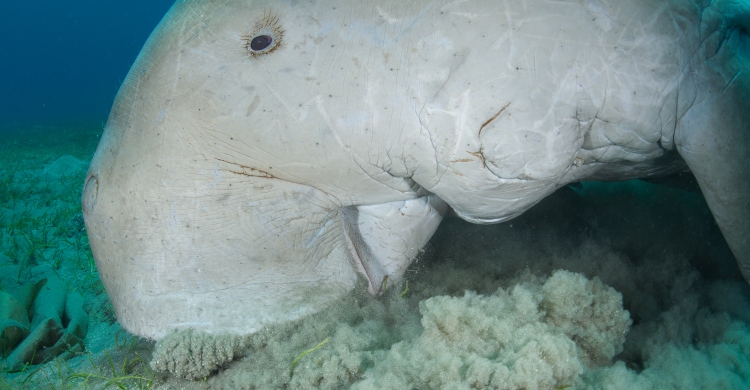
A Global Assessment of Dugong Status and Conservation Needs
The Convention on the Conservation of Migratory Species of Wild Animals (CMS) contracted James Cook University to prepare a new edition of the 2002 publication: ‘Dugong: status report and action pl
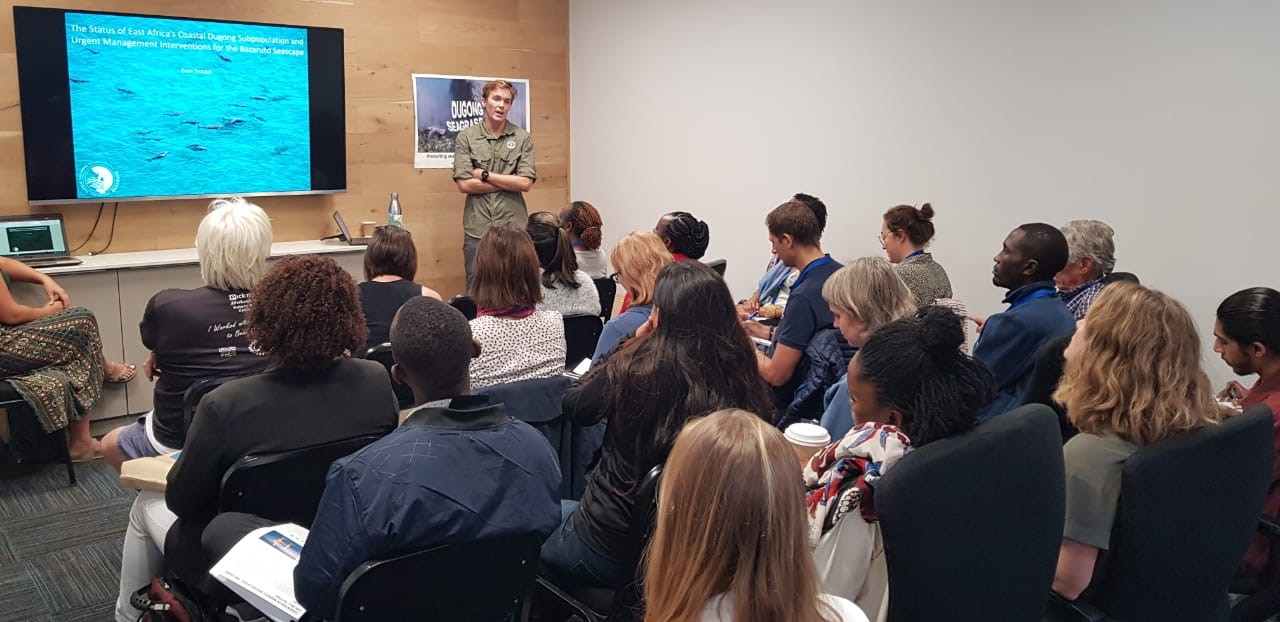
Progressing Dugong & Seagrass Conservation in the Western Indian Ocean Special Session at the WIOMSA 12th Scientific Symposium
South Africa, 14th October 2022 - Historical information suggests that dugongs
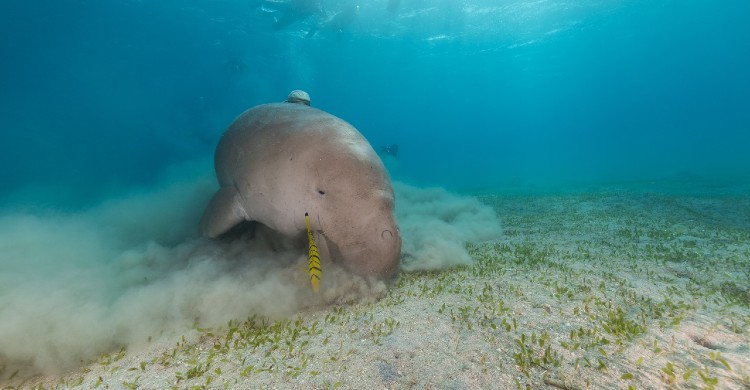
Call for concept notes launched by the CMS Dugong MOU Secretariat
Executive Summary:
The Global Dugong Genetics Project aims to examine the phylogeography of the dugong based on historical samples from throughout the dugong’s range. It will update conservation and management actions through mapping the distribution of discrete dugong populations; identifying historical and potential migratory routes; and highlighting small populations as a priority for conservation. The Project was a collaboration between James Cook University and Nelson Mandela Metropolitan University.
Background:
From 2011–2013 genetic sampling took place and from 2013–2015 analysis was undertaken. To date, a total of 217 samples of dugongs held in European museum collections have been analysed to reveal the population genetic structure of the dugong throughout its range. The results will be disseminated in the form of a scientific paper that is currently pending publication.
The Secretariat would like to encourage the collection and stockpiling of genetic samples so that when financial and technical resources become available, a comprehensive analysis can be conducted. Stockpiling genetic samples is important to mitigate the issues associated with collecting contemporary samples due to the scarcity, low numbers, and relative inaccessibility of dugongs. Protocols for collecting genetic samples are available in the genetics advice from James Cook University. The CMS Dugong MOU Secretariat can assist in the coordination of stockpiling genetic samples upon request.
The Global Dugong Genetics Project aims to examine the phylogeography of the dugong based on historical samples from throughout the dugong’s range. It will update conservation and management actions through mapping the distribution of discrete dugong populations; identifying historical and potential migratory routes; and highlighting small populations as a priority for conservation. The Project was a collaboration between James Cook University and Nelson Mandela Metropolitan University.
Executive Summary:
The GEF-5 Project represents a major international collaboration. It is unique in being the first coordinated approach to enhance the effectiveness of conservation of dugongs and their seagrass ecosystems through community-based stewardship, incentive-based conservation, removal of knowledge barriers and national and regional mainstreaming activities. The project covers 38 national projects, managed in collaboration with 26 local partners in Indonesia, Madagascar, Malaysia, Mozambique, Sri Lanka, Solomon Islands, Timor-Leste and Vanuatu.
Background:
An important component of the Dugong, Seagrass and Coastal Communities Initiative involved the development of the Dugong and Seagrass Conservation Project, which is leveraging funding from the Global Environment Facility (GEF) and co-funding from a number of dugong Range States. The project will enhance the effectiveness of conservation efforts under the Dugong MOU for dugongs and their seagrass ecosystems across the Indian and Pacific Ocean basins through specific actions in eight countries, and wider regional and global activities (funded by GEF and co-financing).
Throughout 2012 and 2013, the Dugong MOU Secretariat developed the project and in the first instance, secured USD 5.88 million from eight countries for the conservation of dugongs and seagrass ecosystems. Held back-to-back with the Second Meeting of Signatories to the Dugong MOU, an International Workshop for the GEF-5 Dugong and Seagrass Conservation Project was held in Manila, Philippines on 21-22 February 2013. The workshop gathered the then seven GEF-5 Project Partners (Indonesia, Madagascar, Malaysia, Mozambique, Sri Lanka, Timor-Leste and Vanuatu) and the four Supporting Partners (Australia, Myanmar, Philippines and United Arab Emirates (UAE)) to review progress on project preparation and development.
In June 2013, following exploration by the Dugong MOU Secretariat of potential additional partners, the Solomon Islands became the eighth GEF-5 Project Partner. Throughout 2013, further supporting partners joined the project. In addition to Australia, Philippines and the UAE, Papua New Guinea, Seychelles and Tanzania provided co-financing and India and Kenya joined Myanmar in providing formal written support. In late 2013, as invited by the Dugong MOU Secretariat, the Mohammed bin Zayed Species Conservation Fund assumed the role of Executing Agency of the GEF-5 Project, and the Dugong MOU Secretariat in collaboration with the UN Environment Programme Regional Office for Asia and the Pacific commenced the handover of the project in anticipation of its final approval in early 2014.
The GEF-5 Project represents a major international collaboration. It is unique in being the first coordinated approach to enhance the effectiveness of conservation of dugongs and their seagrass ecosystems through community-based stewardship, incentive-based conservation, removal of knowledge barriers and national and regional mainstreaming activities. The project covers 38 national projects, managed in collaboration with 26 local partners in Indonesia, Madagascar, Malaysia, Mozambique, Sri Lanka, Solomon Islands, Timor-Leste and Vanuatu.
The project website (www.dugongconservation.org) is an important global resource for dugong and seagrass conservation. More information is available on the project website and in the project fact sheet.
The GEF-5 Project represents a major international collaboration. It is unique in being the first coordinated approach to enhance the effectiveness of conservation of dugongs and their seagrass ecosystems through community-based stewardship, incentive-based conservation, removal of knowledge barriers and national and regional mainstreaming activities. The project covers 38 national projects, managed in collaboration with 26 local partners in Indonesia, Madagascar, Malaysia, Mozambique, Sri Lanka, Solomon Islands, Timor-Leste and Vanuatu.
The GEF Dugong and Seagrass Conservation Project will enhance the effectiveness of conservation efforts under the Dugong MOU for dugongs and their seagrass ecosystems across the Indian and Pacific Ocean basins.
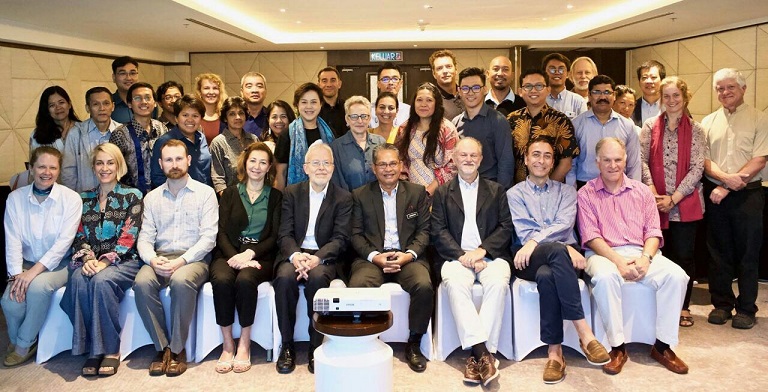
Regional Important Marine Mammal Areas Workshop
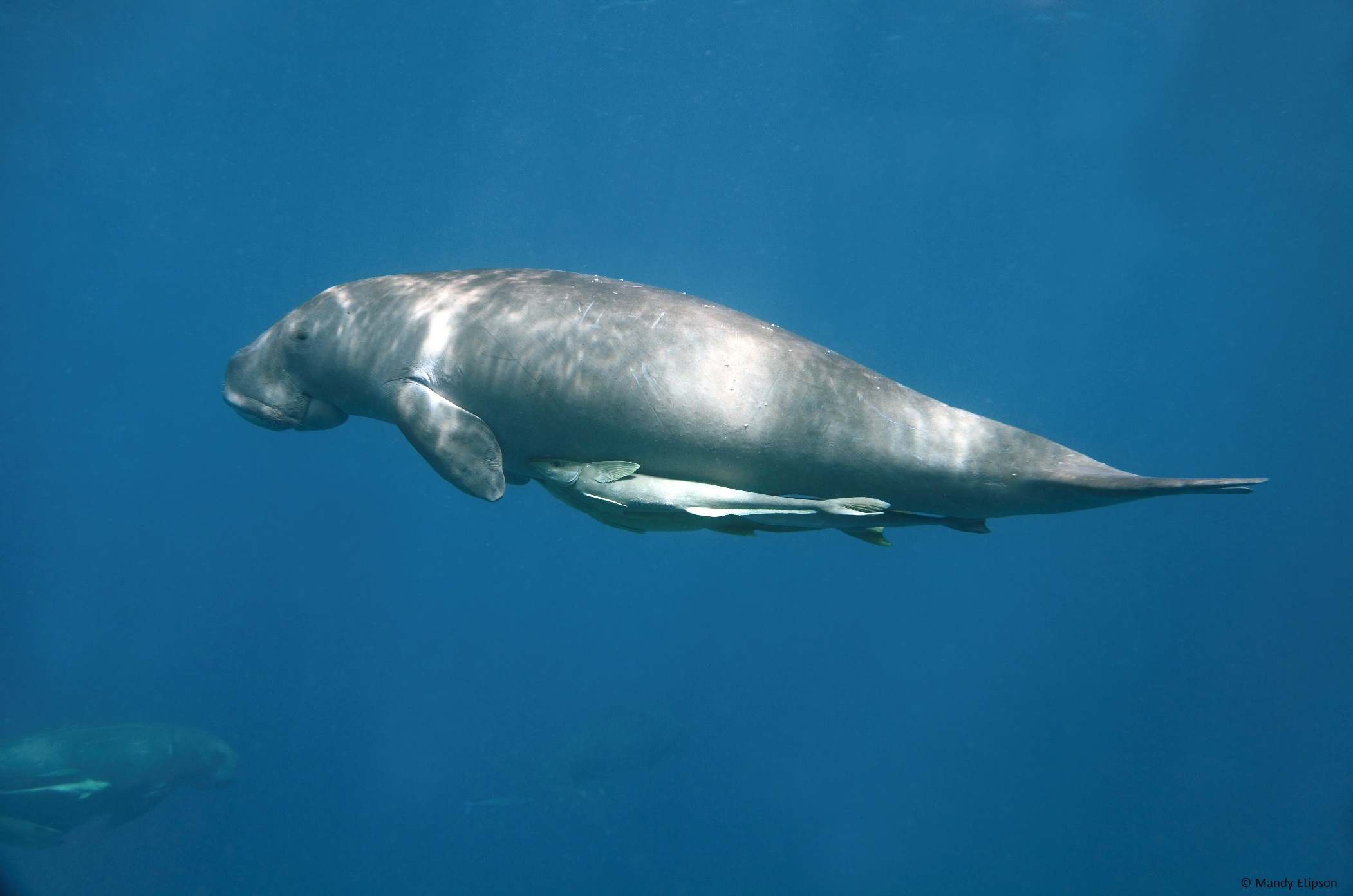
Opinion: Loss of Seagrass Meadows Threatens their Dugong Denizens
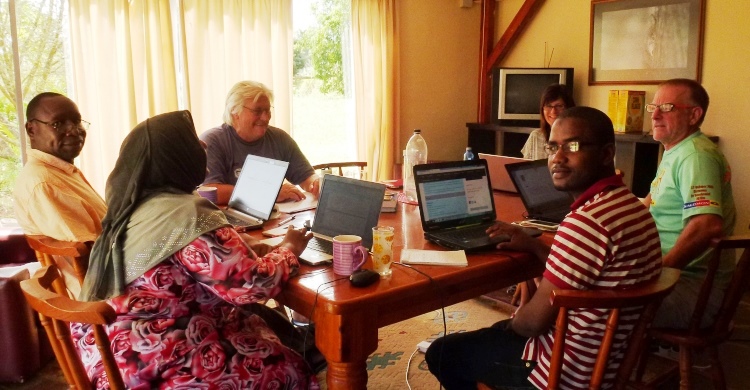
WIOMSA Dugong Project Going Strong
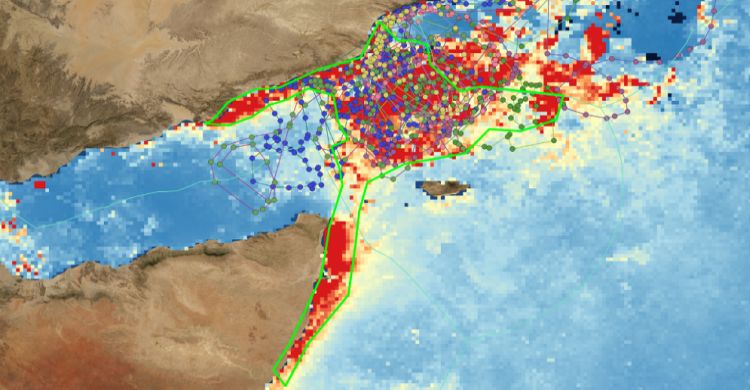
North-west Indian Ocean Experts meet to Identify Ecologically or Biologically Significant Marine Areas